
Columbia Riverkeeper’s latest report explores Hanford Nuclear Site cleanup against the federal push for nuclear energy development.
By: Simone Anter, Senior Attorney & Hanford Program Director
What is the difference between “cleanup” and “long-term management” of nuclear waste?
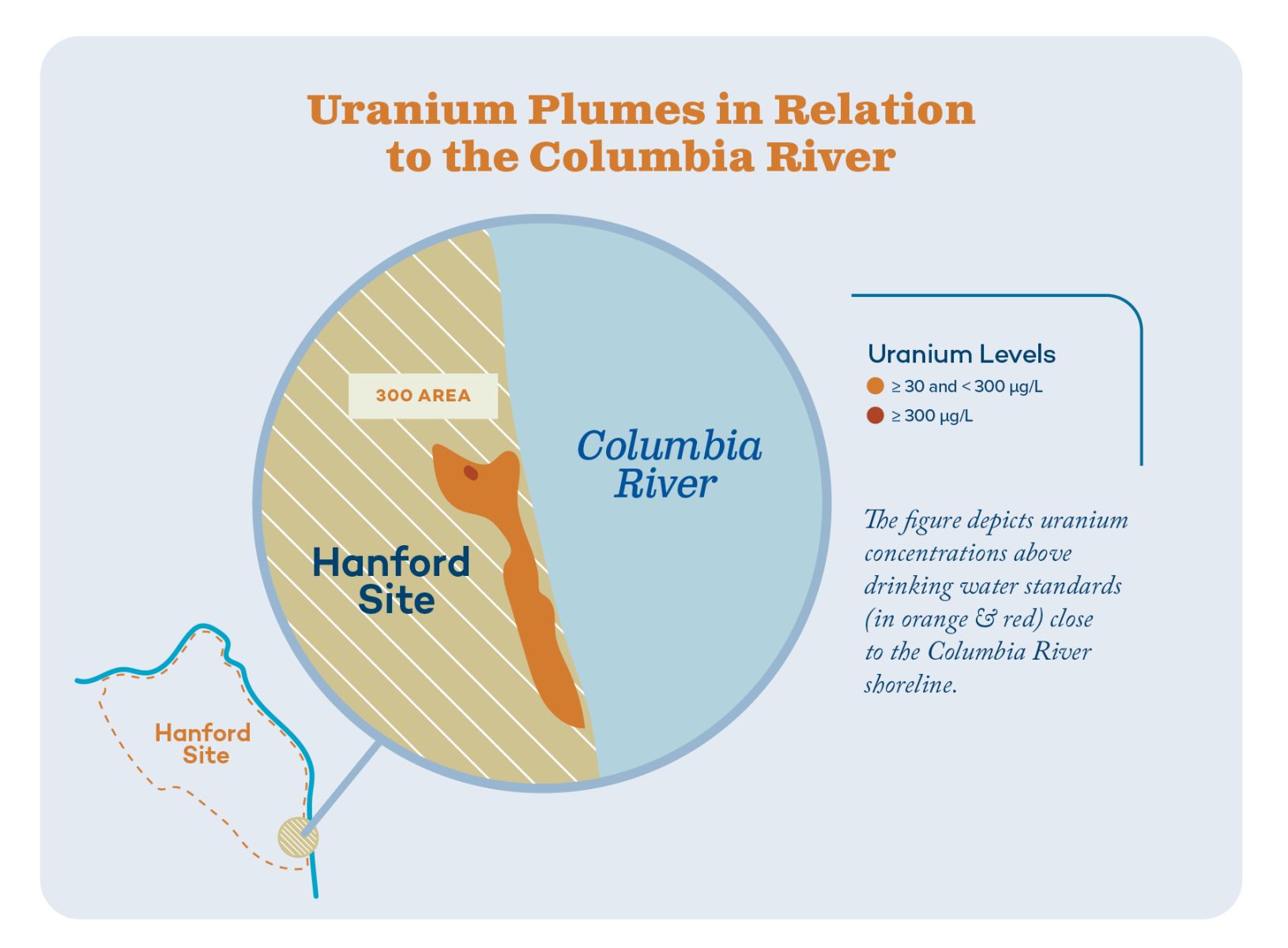
How does the 300 Area’s uranium contamination show that even once a cleanup plan is finalized, it doesn’t mean cleanup is complete?
Through thought-provoking discussion questions, this report asks the reader to contextualize Hanford cleanup amidst an acceleration of federal deregulation around safety and oversight of nuclear energy, from lowering radiation standards to exempting advanced nuclear reactors from federal environmental review. The report probes the critical notion that the national push for nuclear energy development may fundamentally undercut a protective and lawful cleanup of Hanford.
Whether you are reading alone or in a group, or new to Hanford or deeply tracking the site, this report offers a meaningful way to discuss the cleanup in the midst of an increasingly uncertain nuclear future.
Funded in part by a public participation grant from the Washington State Department of Ecology.
Learn more about the cleanup needed at the most toxic place in America.
PRESS RELEASE
New Columbia Riverkeeper Report Examines Emerging Hanford Cleanup Challenges
Report probes if safe and effective cleanup is being undermined in favor of short-term progress
Media Contact:
Simone Anter, Senior Staff Attorney and Hanford Program Director
simone@columbiariverkeeper.org
(541) 399-5312
August 10, 2026 (Hood River, Ore.) — Columbia Riverkeeper issued a new report today, Hanford Nuclear Site Cleanup in the Age of Nuclear Uncertainty, that aims to help contextualize Hanford cleanup amidst an acceleration of federal deregulation around safety and oversight of nuclear energy, from lowering radiation standards to exempting advanced nuclear reactors from federal environmental review. The report probes the notion that the national push for nuclear energy development may fundamentally undercut a protective and lawful cleanup of Hanford.
“We know cleanup at Hanford is complicated and highly radioactive, yet it feels like the public is being left in the dark,” said Simone Anter, Senior Staff Attorney and Hanford Program Director at Columbia Riverkeeper. “The most contaminated site in the Western Hemisphere is being eyed for new small modular nuclear reactors at a time when cleanup is at a critical crossroads.”
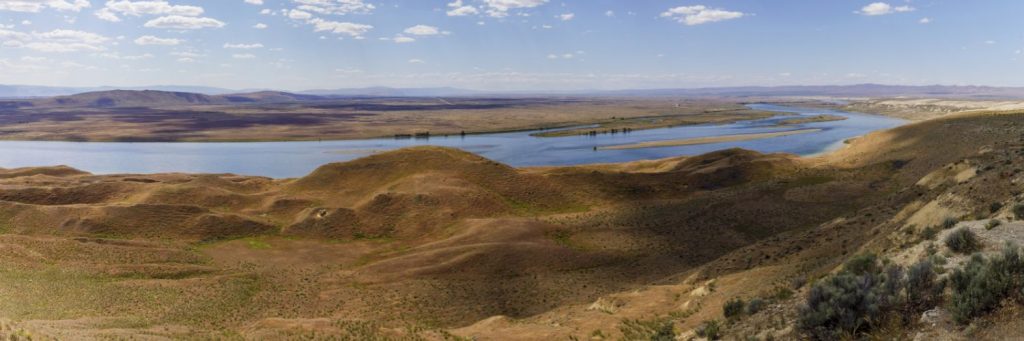
The Columbia River runs along the Hanford Nuclear Site, a 586-square mile legacy of the nuclear arms race that started in 1943 with World War II and played out through the Cold War until 1989. During that time, the federal government stored highly radioactive and toxic waste in 177 underground tanks or dumped the pollution directly into the ground in a sparsely populated area in south‐central Washington State, near the city of Richland, where the federal government forcibly relocated Native Americans who lived along the river and had actively used the area for fishing, hunting, food gathering, and religious purposes since time immemorial. Now, the U.S. Department of Energy is responsible for one of the largest nuclear cleanup efforts in the world.
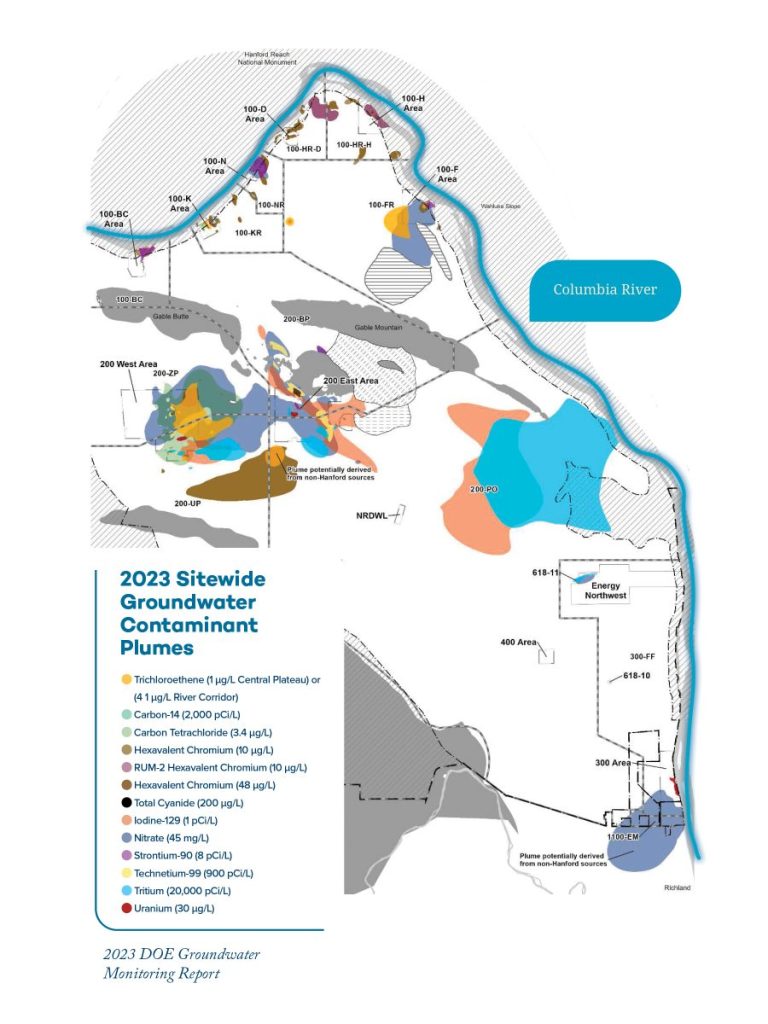
Hanford Nuclear Site Cleanup in the Age of Nuclear Uncertainty starts where plutonium production began: the 300 Area, one of the most important areas for focused cleanup, where groundwater is contaminated with uranium, tritium, nitrate, and other pollutants that have the potential to cause cancer, immune disorders, and kidney disease. The report then examines the 618-11 Burial Ground, where tritium and nitrate plumes seep below a parking lot, before reviewing efforts to clean up lethal cesium, strontium, and other contaminants underneath Hanford’s 324 Building less than 300 yards from the Columbia River. Draft documents suggest that open-air demolition of the 324 Building is in the works, posing a real risk for an airborne radioactive release that could have devastating effects on workers, residents of Richland, and the Columbia River.
“Thanks to ravenous new demands for energy driven by the data center boom, Hanford is now being pitched as a potential sacrifice zone for new nuclear development,” Anter added, “despite its toxic history and complicated cleanup. This is not the place to take such a risk.”
Earlier this year, the Trump administration issued a notice that new nuclear reactors are now excluded from federal environmental review. The Categorical Exclusion (CX) would potentially apply to Small Modular Nuclear Reactors (SMNRs) slated for siting at the Hanford Nuclear Site. Columbia Riverkeeper, our partners, Oregon and Washington Attorneys General, and a coalition of states are pushing back on this CX. SMNRs sited at Hanford would be vulnerable to earthquakes, floods, and fires which may lead to nuclear accidents, in addition to polluting and burdening Tribal communities with extremely dirty uranium mining.
The report concludes with a stark reminder that every curie of radioactivity created is here to stay; what has been coined a “cleanup” at Hanford may be more accurately labeled as “long-term nuclear waste management.”
Download the full report here.
This report is funded in part by a public participation grant from the Washington State Department of Ecology.
About Columbia Riverkeeper: Columbia Riverkeeper is a nonprofit organization with over 25,000 members and supporters that works to protect the water quality of the Columbia River and all life connected to it, from the headwaters to the Pacific Ocean. Learn more.