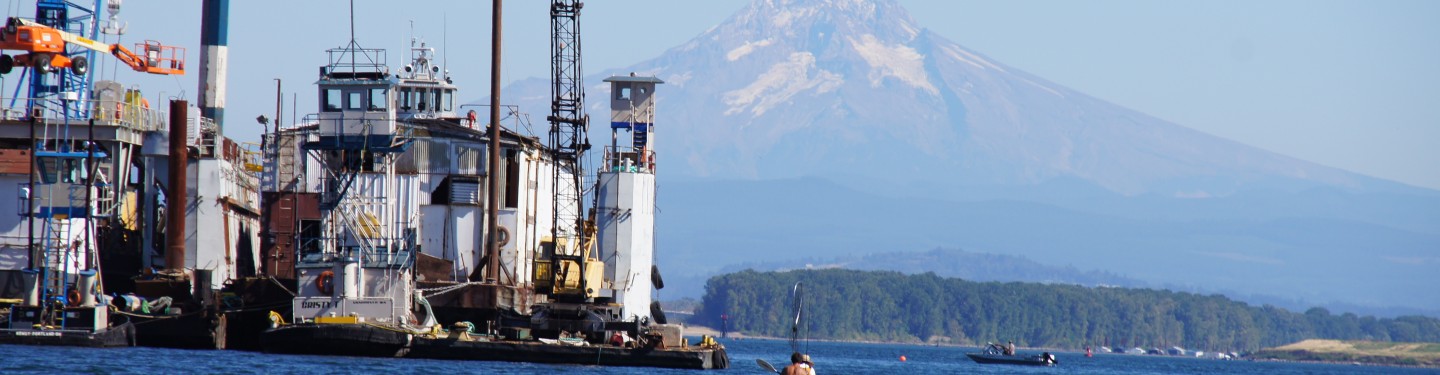
Thousands of pipes release pollution into the Columbia.
The Problem
The Columbia River basin, an area the size of France, accumulates pollution from industry, wastewater treatment plants, and runoff from agricultural lands, logging, industrial sites, nuclear sites, and city streets. As a result, the Columbia River is severely degraded by pollution. Toxic pollution threatens the health of people that eat local fish and jeopardizes the public’s right to eat fish caught locally. Rising water temperatures also threaten the health of salmon and other aquatic life that rely on cool water for survival.
The U.S. Environmental Protection Agency (EPA) designated the Columbia River Basin a Critical Large Aquatic Ecosystem because toxic contamination and other pollution is so severe. EPA’s in-depth report on toxic pollution in the Columbia, the Columbia River Basin: State of River Report for Toxics, concluded that harmful pollutants are moving up the food chain, impacting humans, fish, and wildlife.
How We Engage
Columbia Riverkeeper cracks down on illegal pollution by enforcing the Clean Water Act. We take polluters to court when state or federal regulators fail to stop illegal pollution.
Our top priority: Stop the pollution. Our second goal: Deter industry from violating the law in the first place.
Riverkeeper also challenges government decisions that allow more toxic pollution in our rivers and watchdogs pollution permits, making the case for state and federal agencies to ratchet back pollution limits or deny pollution permits.
Clean Water Act 101
One of the strongest legal tools we have to support our mission and keep pollution out of the river is the Clean Water Act.
The objective of the Clean Water Act, enacted in 1972, “is to restore and maintain the chemical, physical, and biological integrity of the Nation’s waters.” Under the Clean Water Act, discharging pollution from a point source, like a pipe, drainage ditch, or vessel, without a permit is unlawful. If polluters exceed the limits of their permit and pollute in higher quantities, they are subject to legal actions.
When polluters violate their Clean Water Act permits, the Clean Water Act empowers organizations, like Columbia Riverkeeper, to enforce those permits in court and protect the public’s right to clean, safe rivers. When Columbia Riverkeeper brings enforcement lawsuits, we often seek penalties from polluters. These penalty payments do not benefit Columbia Riverkeeper, and we do not profit from violators paying. Instead, penalties from our Clean Water Act cases fund river protection or restoration projects throughout the Columbia River Basin.
Often, these projects improve or protect the section of the river or the community harmed by the defendant’s illegal pollution. In the last decade, penalties from Riverkeeper’s Clean Water Act lawsuits supported dozens of important projects to protect and restore healthy rivers.
What is a Supplemental Environmental Project (SEP)?
When we go to court and win, we make polluters pay serious penalties for violating the Clean Water Act. That penalty money funds water protection or river restoration efforts — sometimes called Supplemental Environmental Projects, or “SEPs.”
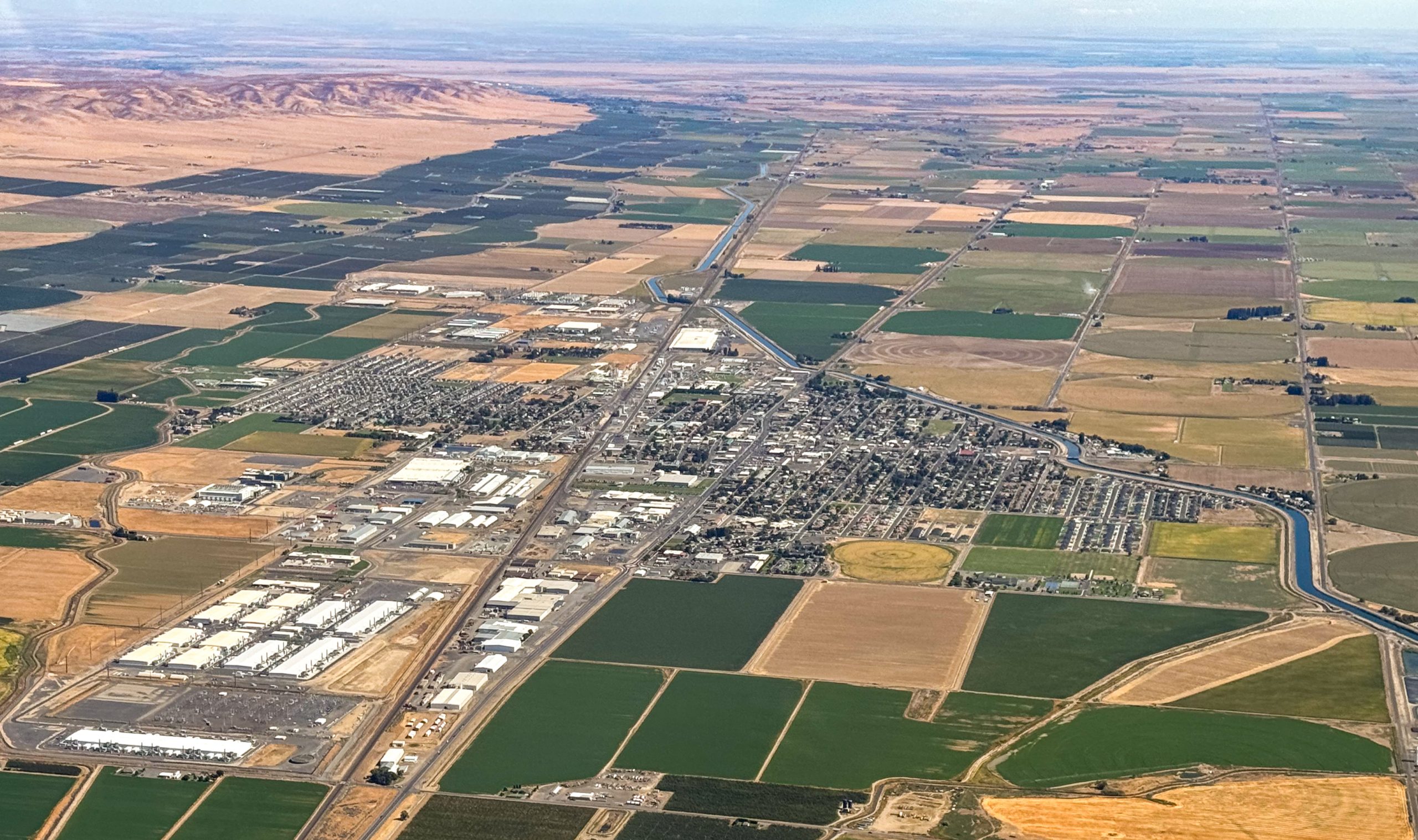
Penalties from Columbia Riverkeeper’s Clean Water Act lawsuits have funded dozens of important SEPs to protect and restore rivers and water quality in recent years. Last fall, thanks to a Clean Water Act settlement between Columbia Riverkeeper and the City of Quincy, Washington, the Yakama Nation received $400,000 to re-plant native trees and shrubs along Yakima River near the Yakama Reservation.
Fines make polluters think twice before breaking the law, but the value of Clean Water Act enforcement also comes from funding SEPs that improve water quality and river habitat. Columbia Riverkeeper never receives SEP money or other penalties from our own Clean Water Act cases.
In the News and Media
- Quincy to pay Yakama Nation in civil settlement, November 22, 2025, Columbia Basin Herald
- Report: Quincy at Center of Debate Over Washington’s Data Centers’ Clean Energy Future, November 19, 2025, Source ONE
- City of Quincy to spend millions fixing wastewater plant after lawsuit, September 4, 2025, Source One
- Wash. Seafood Plant, Steel Shop Slapped With CWA Suits, July 8, 2025, Law360
- Trump says a ‘valve’ can solve California’s water woes. Experts say it’s not true, Washington Post, January 23, 2025