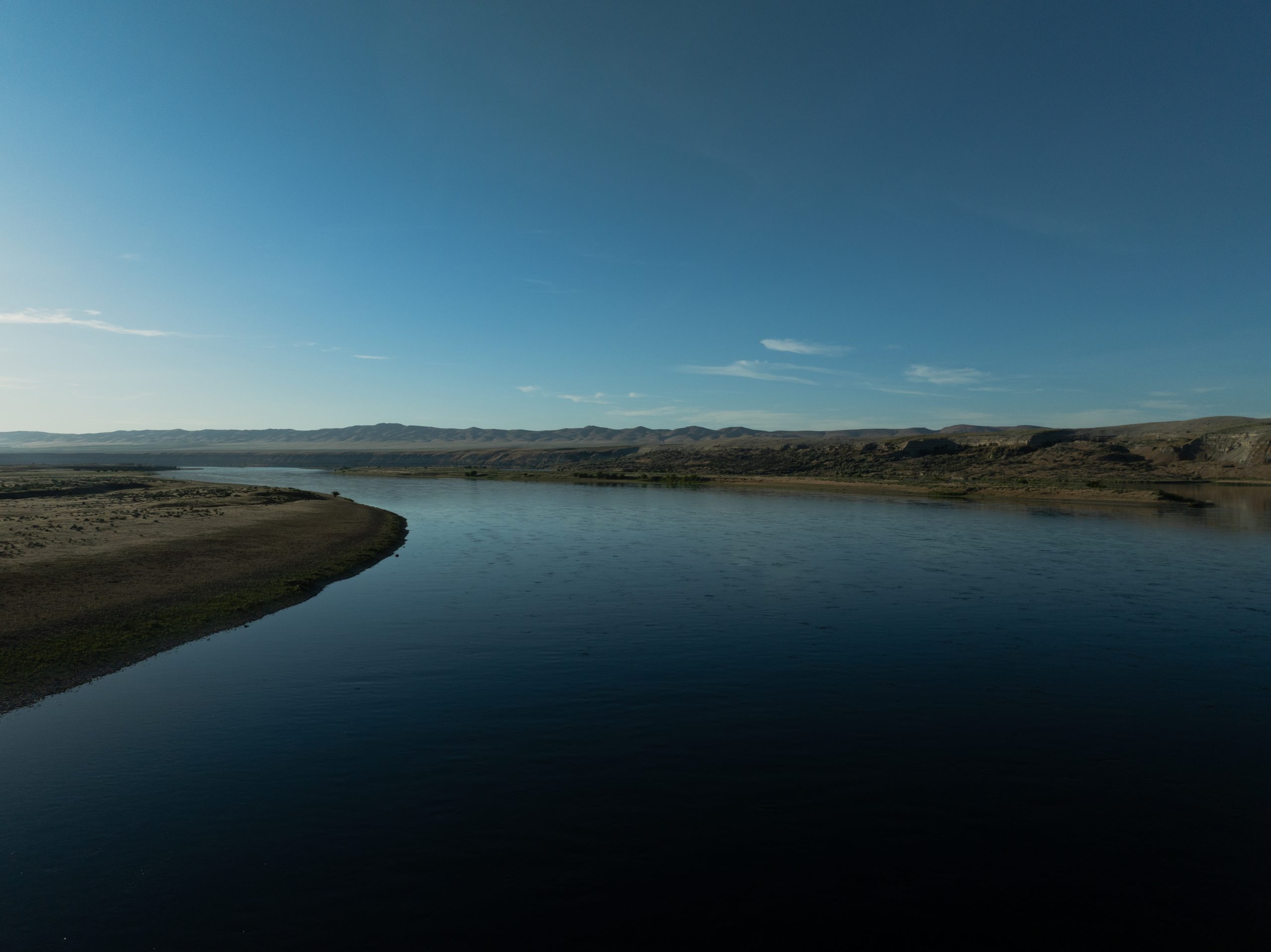
Developers want to bury and operate a transmission cable under the Columbia River from The Dalles to Portland.
Our goal: oppose this project and ensure federal and state decision-makers protect the salmon, river health, and Tribal treaty rights. We are advocating for full transparency and robust environmental processes to ensure all impacts are clear before decision-makers.
Cascade Renewable Transmission wants to bury a 100-mile, 400-kilovolt electrical transmission cable (think: a massive, high-voltage power line) under the Columbia River from The Dalles to Portland. If approved, this would be the first in-river electrical transmission cable in the Pacific Northwest.

Our Concerns
There are serious concerns with the long- and short-term impacts of dredging a giant trench through the Columbia River. This is also a precedent-setting project. Placing a high-voltage, high-temperature line in the riverbed of an overburdened river system is too high-risk. Issues we are tracking include, but are not limited to:
- Impacts to Columbia River salmon and other aquatic species, including lamprey, eulachon, and sturgeon;
- Impacts on river and sediment habitats;
- Concerns about the project’s 50-year lifespan and the project’s end-of-life impacts and cleanup;
- Impacts from earthquakes;
- Impacts from vessel or anchor strikes;
- Impacts on water quality—specifically, heat pollution from the cable, water cloudiness from project construction and repair, and impacts on fish from the line’s electromagnetic field;
- Potential impacts from disturbed sediment at Superfund sites;
- Threats to treaty-protected resources, including potential impacts to fisheries, First Foods, and culturally significant riverbed areas.
The Bigger Picture
This project could set a staggering precedent: allowing developers to turn the Columbia River itself into a transmission corridor. This region and river are unlike any in the world and contain a rich, vibrant history. Turning the Columbia into a utility corridor could vastly alter the use of the Columbia River and impact the species and communities that rely upon it.
There are also serious concerns about who this power will actually serve. While the project is framed as serving urban consumers, there are no guarantees it won’t instead serve corporate tech clients (i.e., data centers).
Prioritizing a Just Transition
We approach all our energy work by advocating for a just transition away from fossil fuels. New energy development should not repeat the mistakes of old energy systems. In the Pacific Northwest, these mistakes include placing disproportionate burdens on salmon and the communities that rely on them.
Our energy system must be upgraded if we are to achieve our climate goals, and many energy experts believe that more and better electrical transmission is key to realizing the promise of wind and solar energy. However, it remains unclear whether, and how much, the Cable Under the Columbia would actually transmit or support clean, renewable energy energy. And assuming that more transmission lines are helpful, we are not convinced that the Columbia River is the best place for them—especially because this massive power line could be sited in the existing transportation or electrical corridors that already exist on both sides of the river.
For all energy projects, Columbia Riverkeeper aims to understand how development will impact Tribal Nations and all people who rely on the Columbia River for salmon, clean water, and beyond. Please see CRITFC’s Energy Vision for the Columbia River Basin for more information about how our energy future can support salmon recovery.
Resources:
- “What You Need to Know (and Do) About the Underwater Power Line in the Columbia” Webinar: Feb. 26, 2026
- EFSC 2023 NOI Scoping comments
- 2024 404 Permit Application Comments
- CRITFC Energy Vision
In the news:
- Advocates raise concerns over proposed Columbia River power line
- Are we ready for an underwater powerline in the Columbia River?
- $1.5B Columbia River underwater power project turns down Trump admin expedited permitting
- Battle over $1.5B project to put giant power line under Columbia River will get local public meetings next week