
Progress on Superfund Cleanup at Bonneville Dam After Decades of Inaction
By Kate Murphy, Senior Community Organizer
We have some exciting news to share! After decades of delay by the United States Army Corps of Engineers (Corps), we are finally seeing some progress with cleanup of the Bonneville Dam Superfund site in the Columbia River. Although this is important progress, a lot of work remains and we need your help to keep the momentum going.
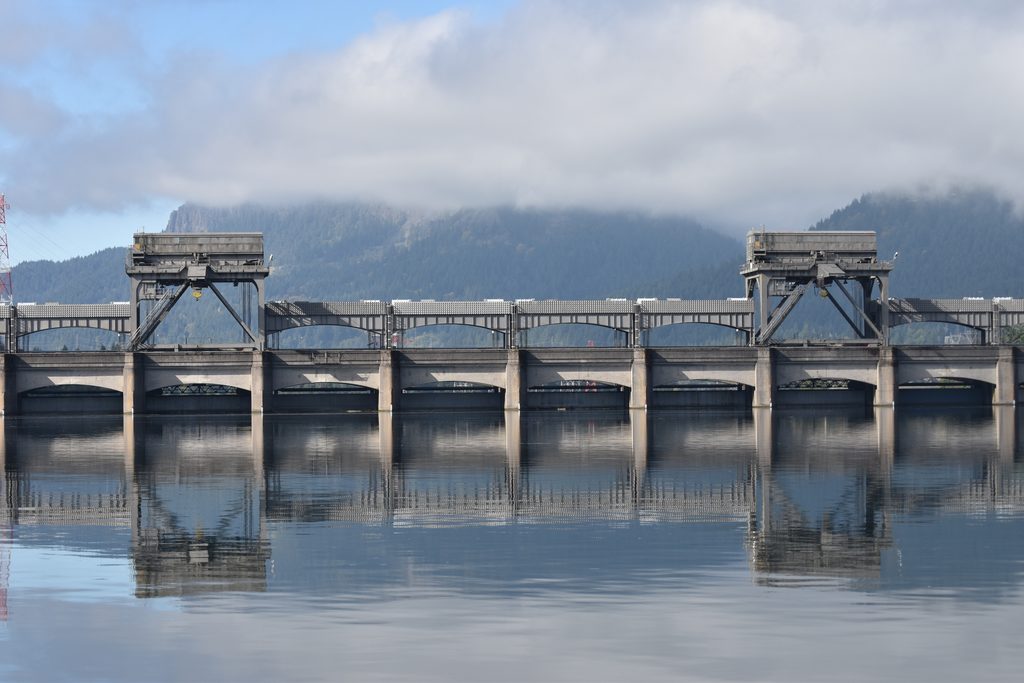
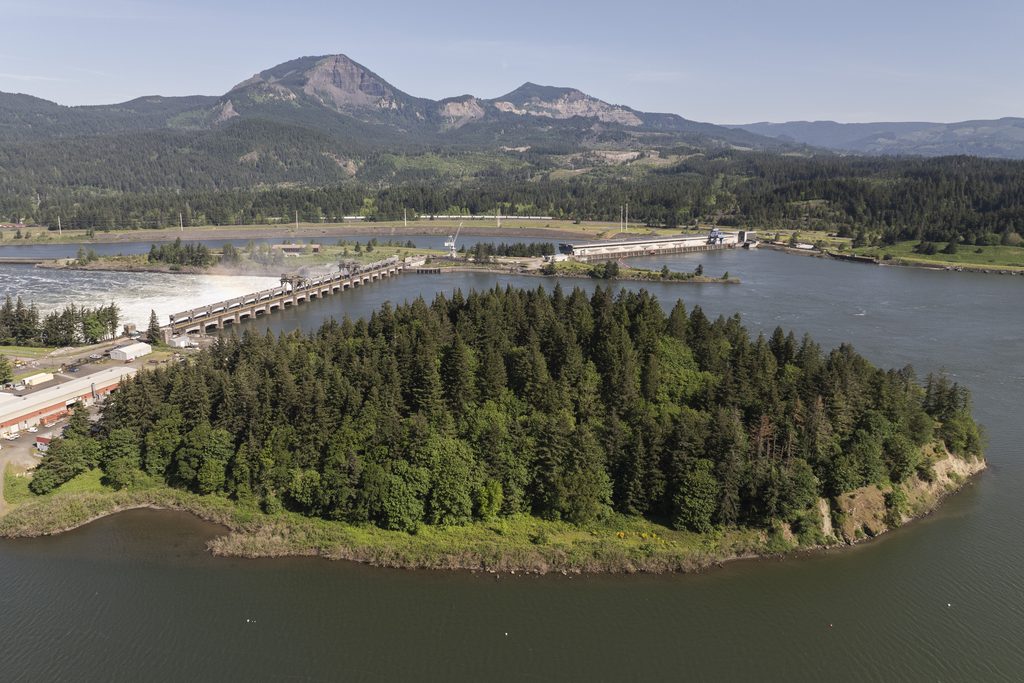
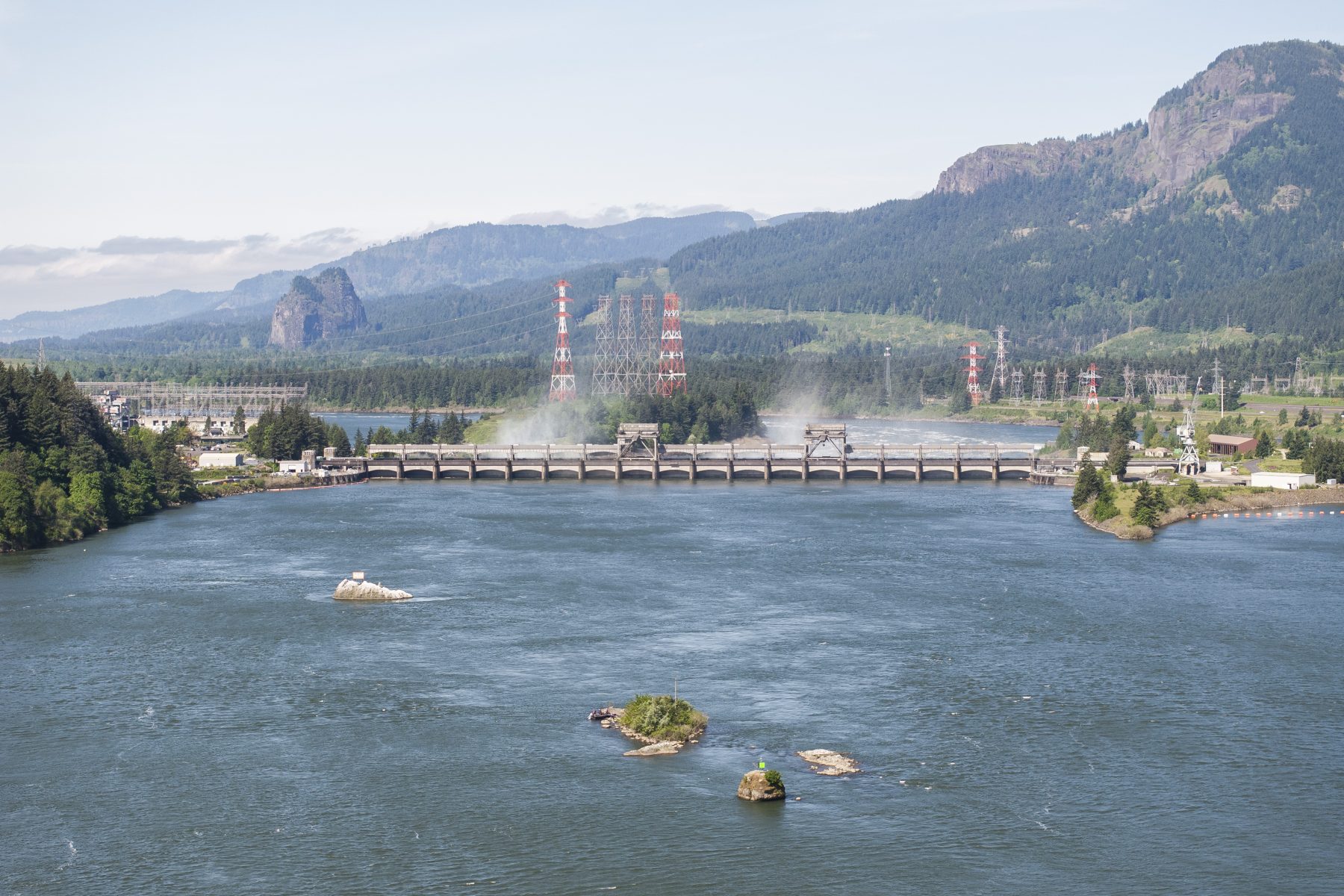
The Bradford Island Superfund site at Bonneville Dam is located in the Columbia River about three miles west of Cascade Locks, Oregon and about forty miles east of Portland, Oregon and Vancouver, Washington. For roughly forty years, the Corps used the Bonneville Dam complex to support a variety of projects such as chemical storage, equipment storage, and waste disposal. These activities resulted in chemical pollution (i.e., contamination) across Bradford Island’s soil, groundwater, and in the sediment off its shore leading to a DO NOT EAT advisory for resident fish in the area.
BACKGROUND
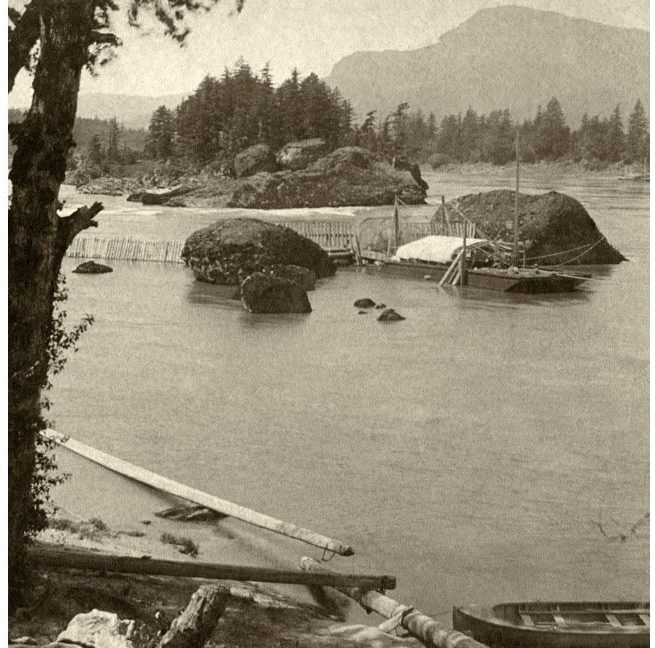
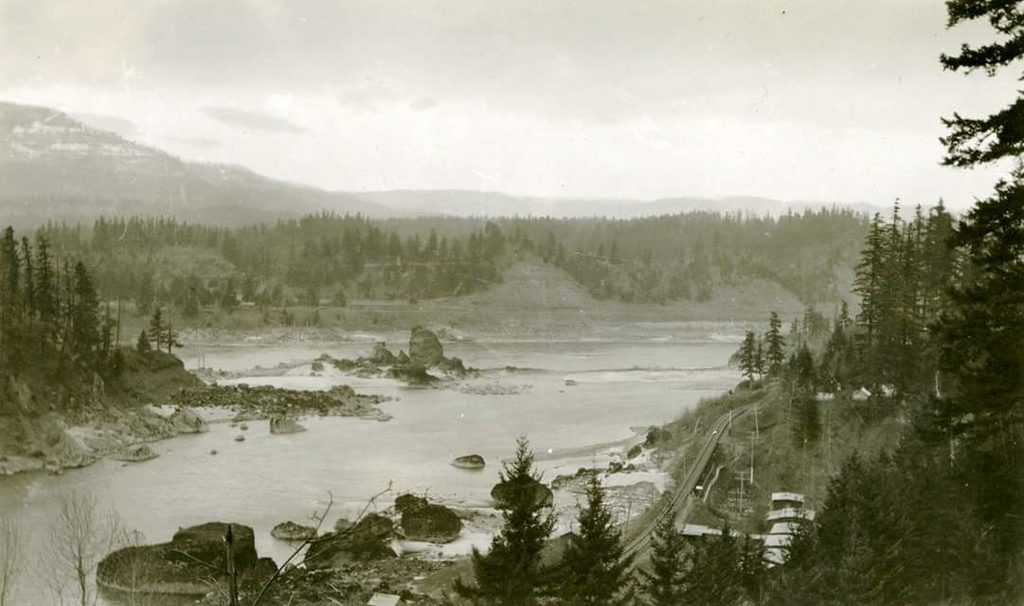
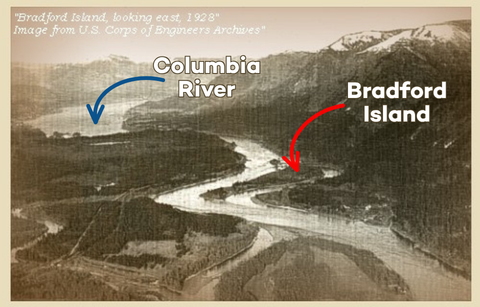
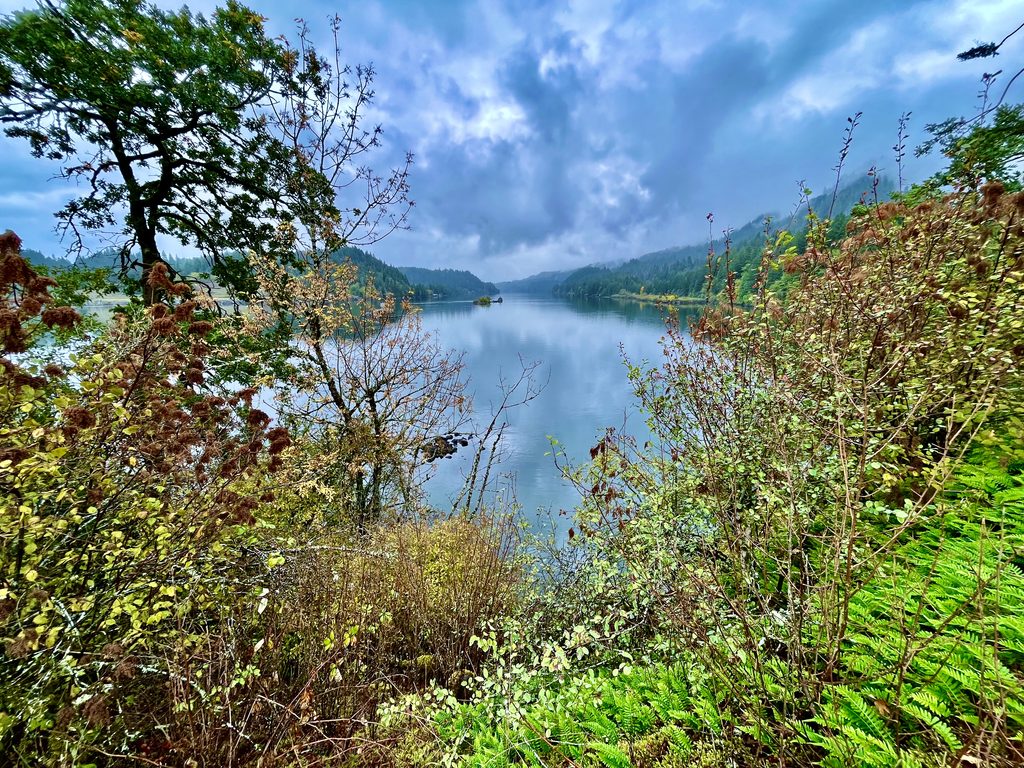
Indigenous people have fished on Bradford Island, part of the current Bonneville Dam complex, and in surrounding waters of the Columbia River since time immemorial. Despite many changes to this area from development, indigenous people and diverse communities continue to use this area for subsistence and recreational fishing. Below are before the construction of the Bonneville Dam.
WHERE IS THE SUPERFUND SITE LOCATED?
The Bradford Island Superfund site at Bonneville Dam is in the Columbia River, about three miles west of Cascade Locks, Oregon and about 40 miles east of Portland, Oregon and Vancouver, Washington.
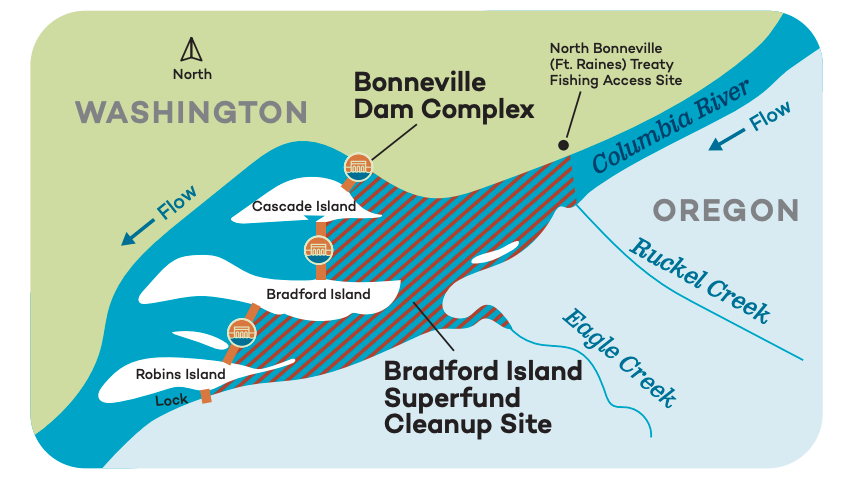
Beginning with the Bonneville Dam’s construction and operation in the 1930s, and continuing for roughly 40 years, the United States Army Corps of Engineers (Corps) used Bradford Island, part of the Bonneville Dam complex, to support a variety of projects such as chemical storage, equipment storage, and waste disposal.
These activities resulted in chemical pollution (i.e., contamination) across Bradford Island’s soil, groundwater, and in the sediment off its shore.
People should be able to feed their families locally-caught fish from one of the most popular recreational fishing areas in the Mid-Columbia—but unfortunately, the resident fish that live in the area are too toxic to eat. As a result of decades of the Corps dumping toxic pollution in and along the Columbia’s shorelines at Bradford Island, resident fish caught near Bradford Island contain the highest levels of cancer-causing PCBs in the country. This has prompted the Washington and Oregon health departments to issue fish advisories for the area near Bonneville Dam.
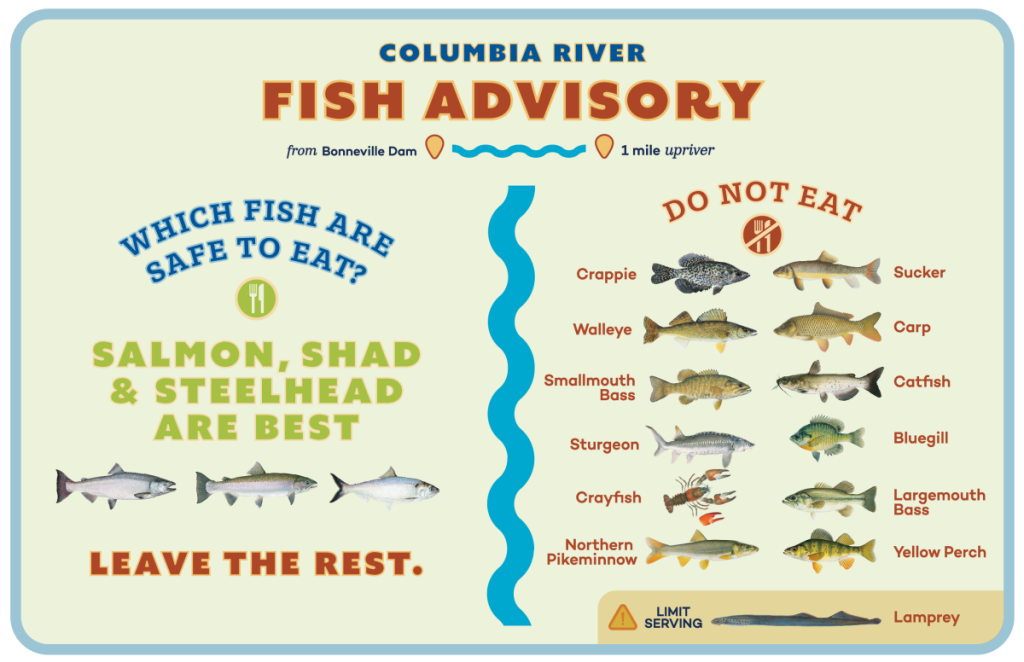
The DO NOT EAT advisory area that encompasses the Bonneville Dam site stretches from the Bonneville Dam upriver one mile, to the mouth of Ruckel Creek (the border of Multnomah and Hood River counties).
WHERE ARE WE NOW WITH SUPERFUND CLEANUP AT BONNEVILLE DAM?
Good news: after decades of waiting, we are finally seeing some real progress with the Superfund cleanup efforts at Bonneville Dam. This year, big things are happening at Bradford Island, one of the islands that forms the Bonneville Dam complex. There is still a lot of work to be done, but the progress happening at Bradford Island is a big step forward.
AREAS OF CONCERN ON BRADFORD ISLAND
The United States Environmental Protection Agency (EPA) officially listed Bradford Island and surrounding waters as a Superfund site on the National Priorities List (NPL) in March of 2022. The NPL is the list of sites across the country prioritized for cleanup due to known or threatened releases of hazardous substances, pollutants, or contaminants. The Superfund list is reserved for the worst of the worst contaminated areas in the country. Superfund listing advances cleanup of dangerous toxic pollution that is threatening people’s health.
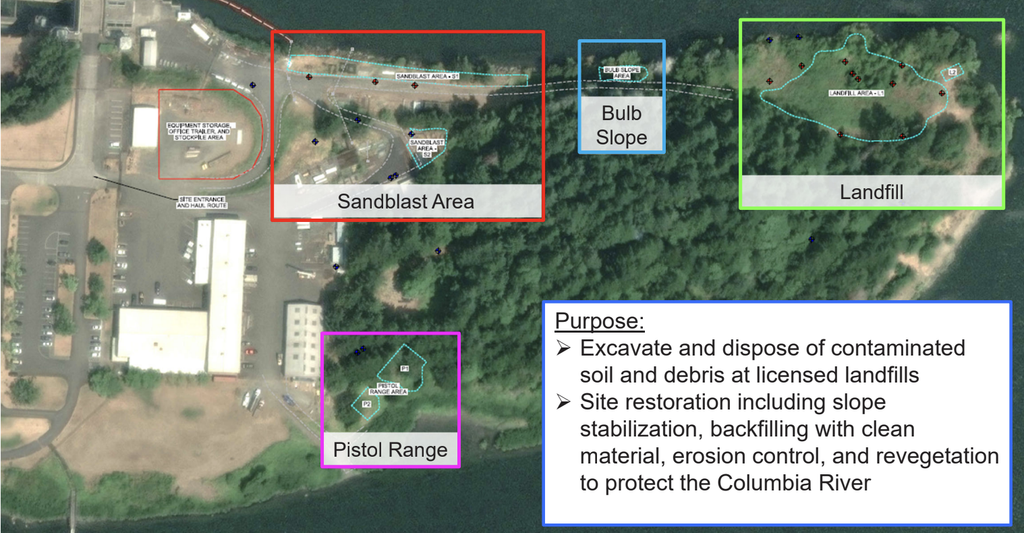
The cleanup is complex and there are multiple areas of concern, both in the river and on land. There are four areas of concern on Bradford Island where cleanup is currently happening: Bulb Slope, Landfill, Pistol Range, and Sandblast Area.
BULB SLOPE
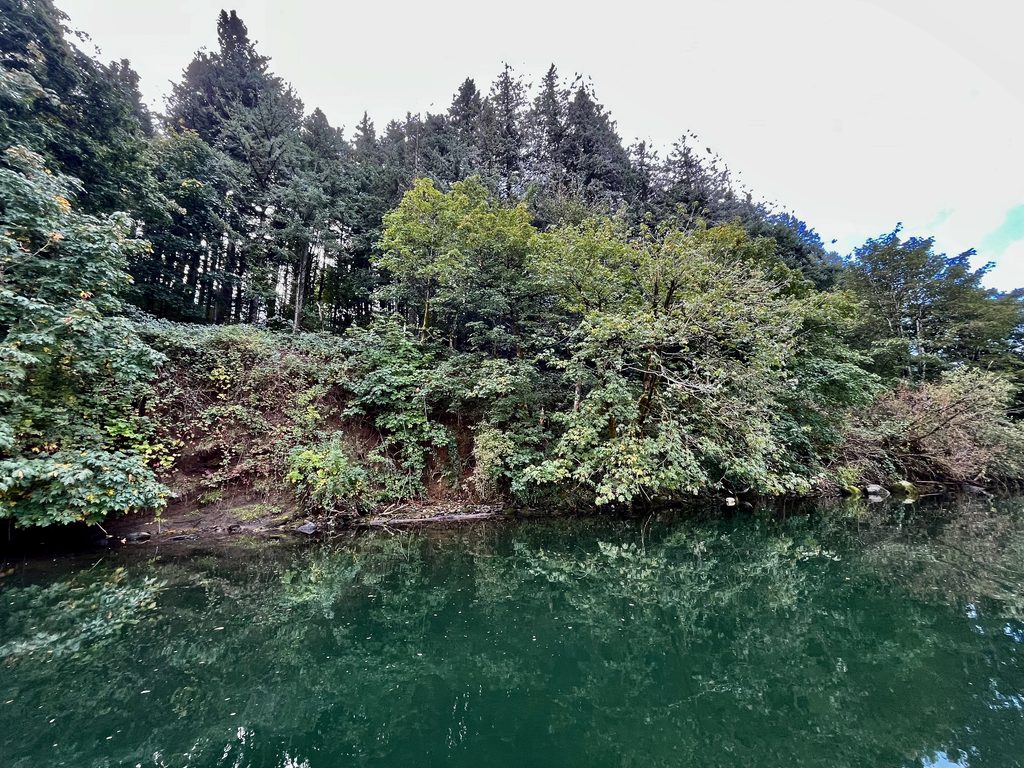
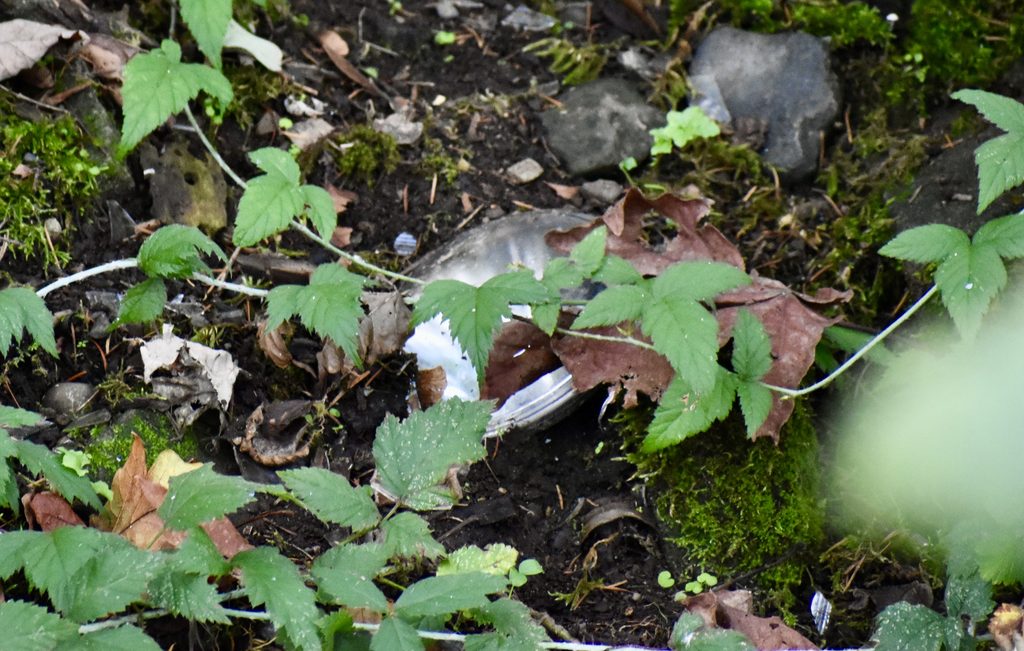
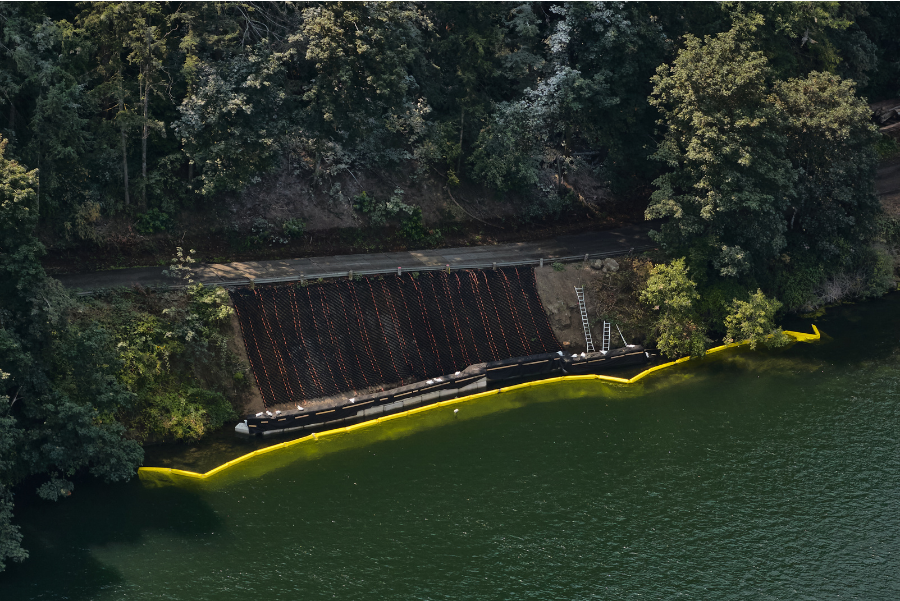
Located on the north side of Bradford Island, the bulb slope is where the Corps dumped waste including light bulbs and spent ballasts that contained mercury and PCBs right off the cliff into the river.
Photos to the right show before the cleanup.
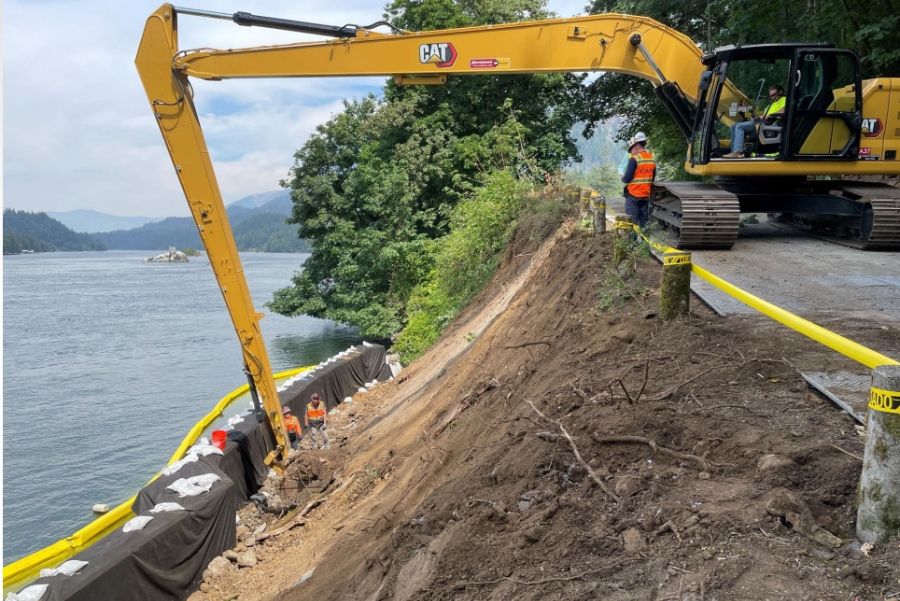
DURING CLEANUP
AFTER CLEANUP
LANDFILL
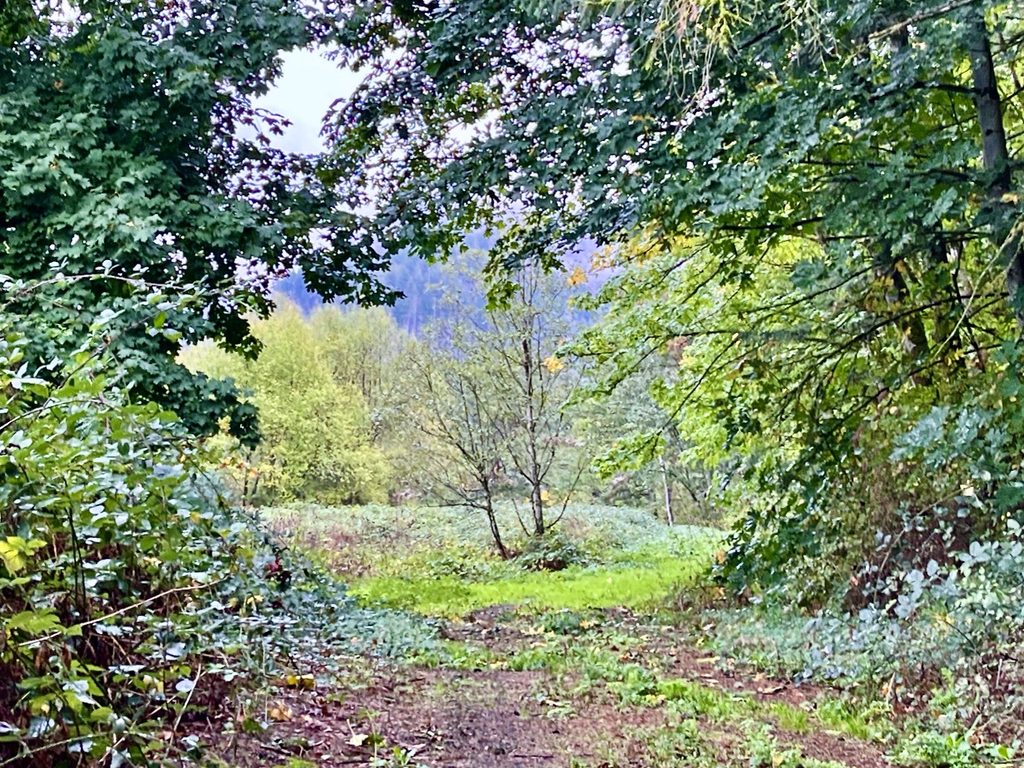
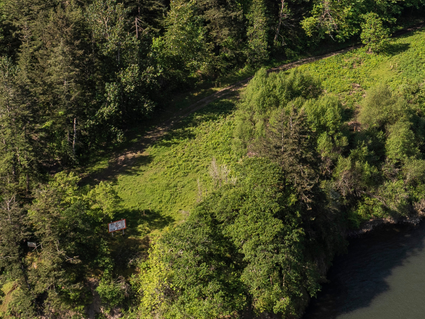
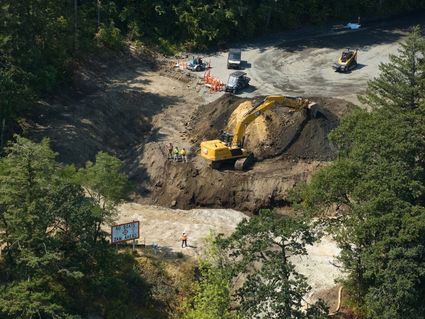
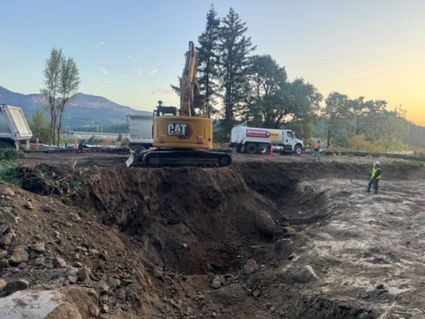
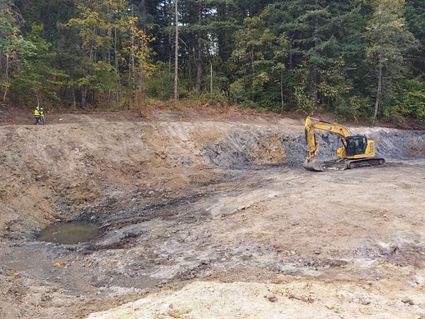
Standard practice back in the day allowed for part Bradford Island to be used as a landfill for dumping toxic waste and other hazardous materials. Much of the northeast tip of the island is a buried, unlined landfill area.
Photos to the right show the landfill area before the cleanup.
DURING CLEANUP
PISTOL RANGE
Located on the southeast side of Bradford Island, the pistol range was used for firing practice leading to lead contamination that is a risk to waterfowl and other wildlife.
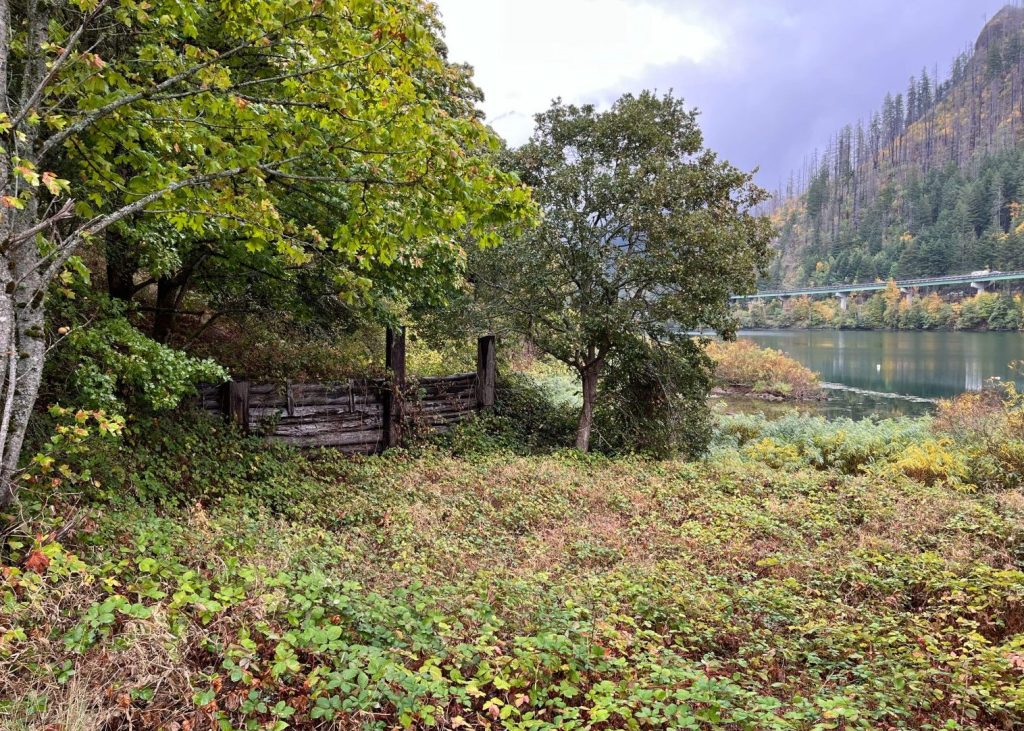
DURING CLEANUP
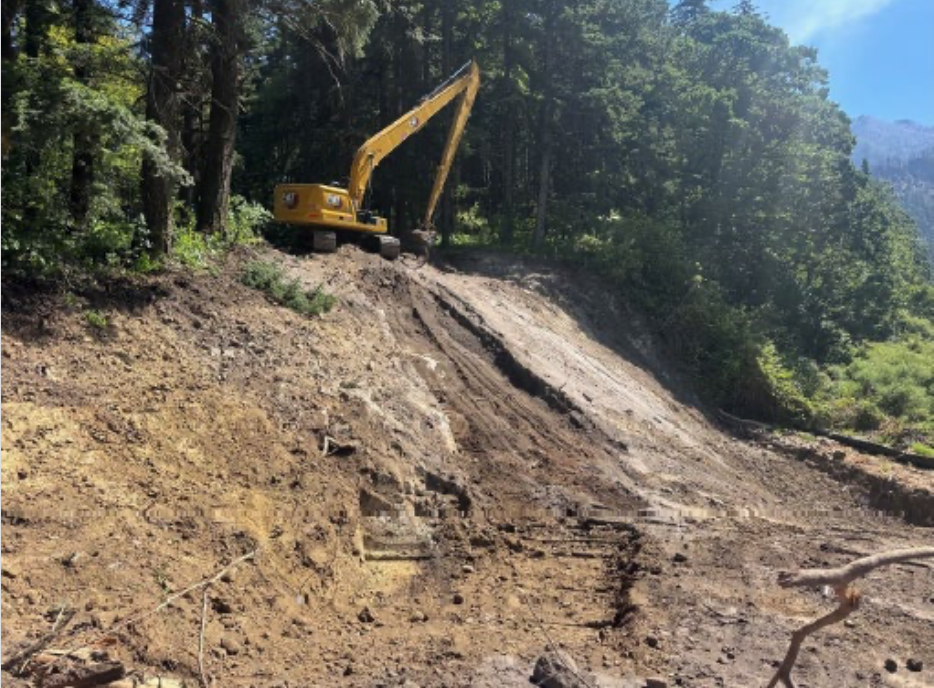
DURING CLEANUP
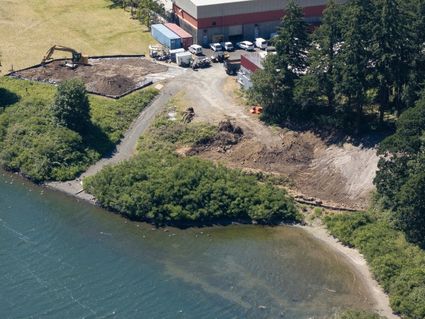
AFTER CLEANUP
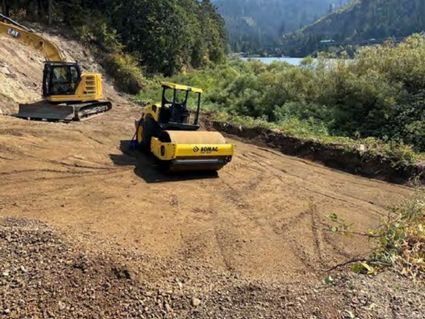
SANDBLAST AREA
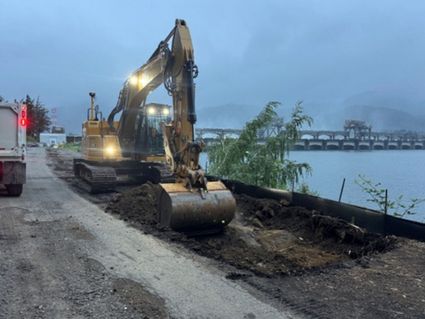
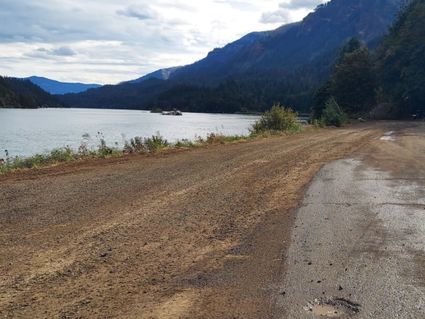
The main industrial area was used for things like maintenance, equipment storage, and hazardous waste material storage. It is called the sandblast area because the area was used to sandblast paint off equipment. The paints contain toxic chemicals and the sandblast grit that was created was dumped on the surface of the island, leaving up to three feet of sandblast grit in some areas.
The sandblast area cleanup consists of two cleanup areas, one adjacent to the river and one just south of that on the island. The photos are from sandblast area 1, adjacent to the river.
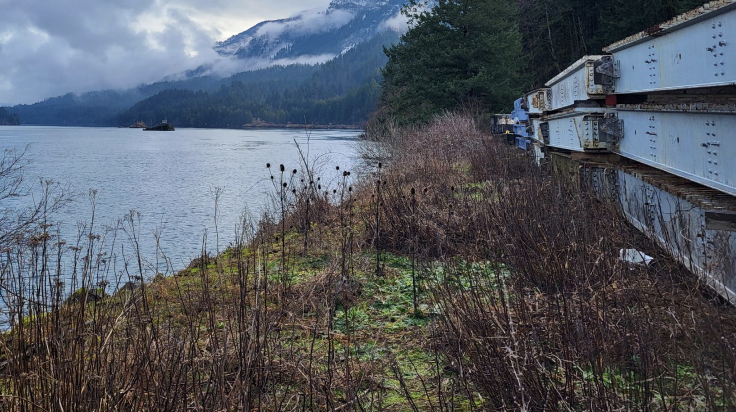
DURING CLEANUP
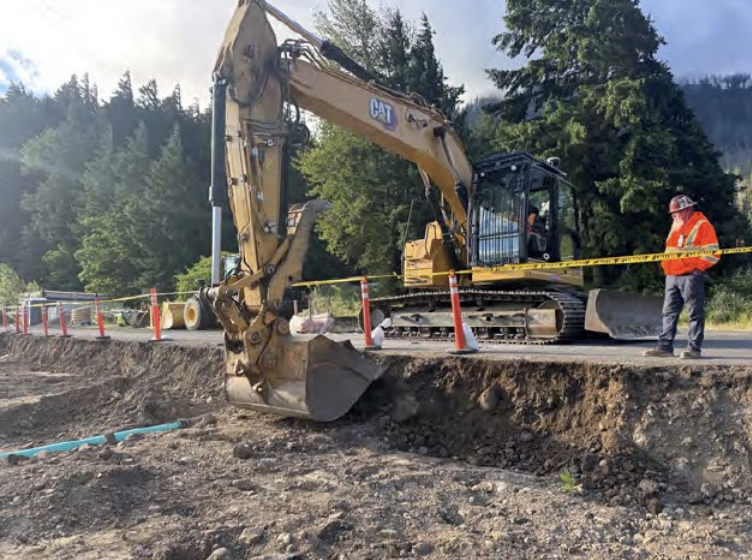
DURING CLEANUP
AFTER CLEANUP
WHAT IS NEXT FOR SUPERFUND CLEANUP AT BONNEVILLE DAM?
The cleanup of the Superfund site at Bonneville Dam involves complex planning which has been in progress since the site was listed on the National Priorities List (Superfund) in March 2022. It also involves close cooperation and communication between the United States Army Corps of Engineers, the U.S. Environmental Protection Agency (EPA), the states of Oregon and Washington, and multiple Tribes—including the Confederated Tribes and Bands of Yakama Nation, whose leadership was instrumental in the listing of the area as a Superfund Site and the progress of a timely, thorough, and transparent cleanup.
The cleanup of the areas of concern on Bradford Island are expected to be completed by the end of 2026. Following the completion of that portion of the cleanup, the focus will turn to continued testing that informs the physical cleanup of contamination in the river and at other identified sites on land.
A VISION FOR THE FUTURE
The cleanup currently happening at Bradford Island is a huge step forward toward reducing the risk of exposure to contamination near Bonneville Dam, but there is still a lot of work to be done. At this time, the DO NOT EAT fish advisory still remains in place. Though the cleanup is complex, it can happen! We will continue to push for transparency and efficiency from the Corps to clean up the toxic legacy it left at Bonneville Dam.
Join us in demanding continued progress on a swift and thorough cleanup of the contamination at Bonneville Dam.
Bonneville Dam cleanup is possible!