
Stand up for environmental and climate justice on the Columbia. Add your voice to a petition.
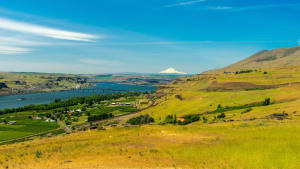
Take Action: Stand Up to Data Centers
Join the Call for a Moratorium on Data Centers in Klickitat County. ...
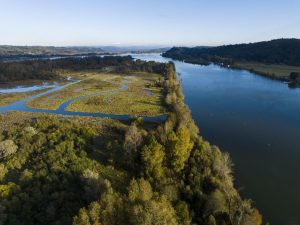
Take Action: Protect the Columbia River Estuary
Tell Columbia County to protect the Columbia River Estuary! ...
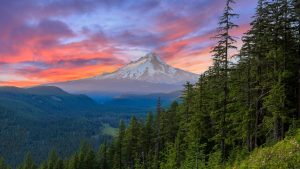
Take Action: Protect Public Lands from Greedy Data Centers
Make your voice heard now to ensure that Congress does not give away public lands in Mount Hood National Forest. ...

Take Action: Oregon Data Center Moratorium
Join the Call for a Moratorium on Data Centers in Oregon! ...

Acción: Limpieza de la presa Bonneville
¿Sabías que los peces que residen todo el año cerca de la presa Bonneville contienen algunos de los niveles más altos de...
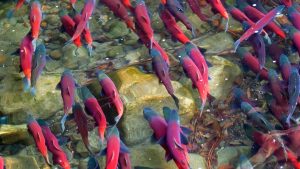
Take Action: No Underwater Power Line
Tell Governor Ferguson to Say No. Encourage Governor Ferguson to oppose the Cascade Renewable Transmission project and protect the Columbia River...

Protect Pushpum
Encourage Governor Ferguson to support Tribes and oppose the Goldendale Pumped Storage Development ...

Take Action: Port Westward
Tell DEQ and Gov. Kotek to protect the Columbia River and our climate from NEXT’s pollution and greenwashing. ...

Governor Ferguson: No New Gas Pipelines
Tell Governor Ferguson to oppose Williams’ proposals for new methane gas pipelines in Washington. ...

Transmission Cable Under the Columbia: Stay Informed
Stay Informed: Transmission Cable Under the Columbia...

Defend Progress For Salmon Recovery and Dam Removal
The progress we’ve made toward salmon recovery and Lower Snake River dam removal is under attack. With your help, we...
Using the map: you can click-and-drag to move to different parts of the map, and use the Zoom In (+) and Zoom Out (-) controls in the lower-right corner to change the view area. Click on the icon for the item you’re interested in, to view the issue and access more information about it.
